Made for your next design.
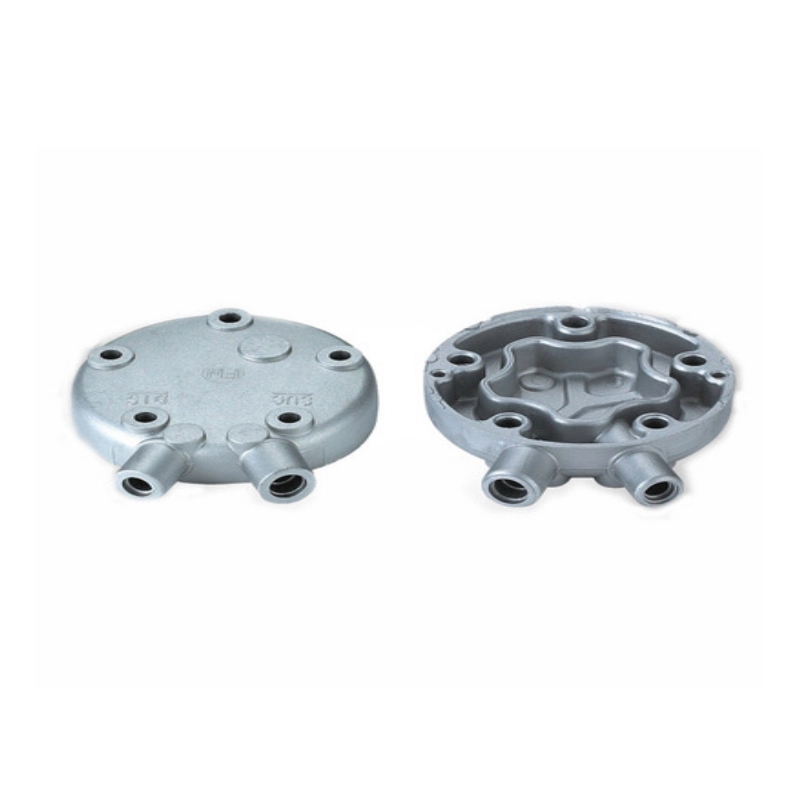
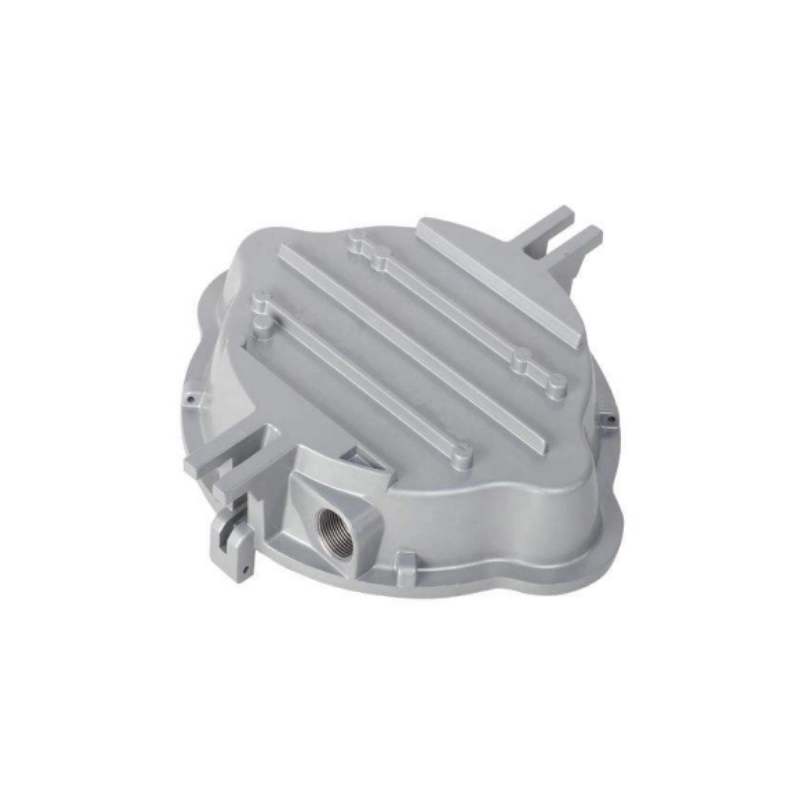
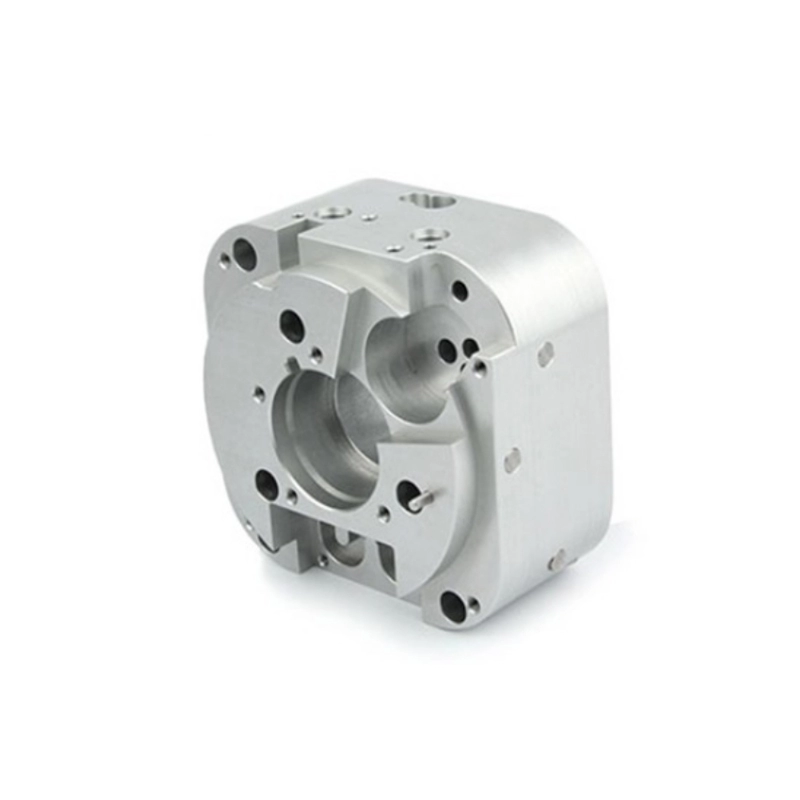
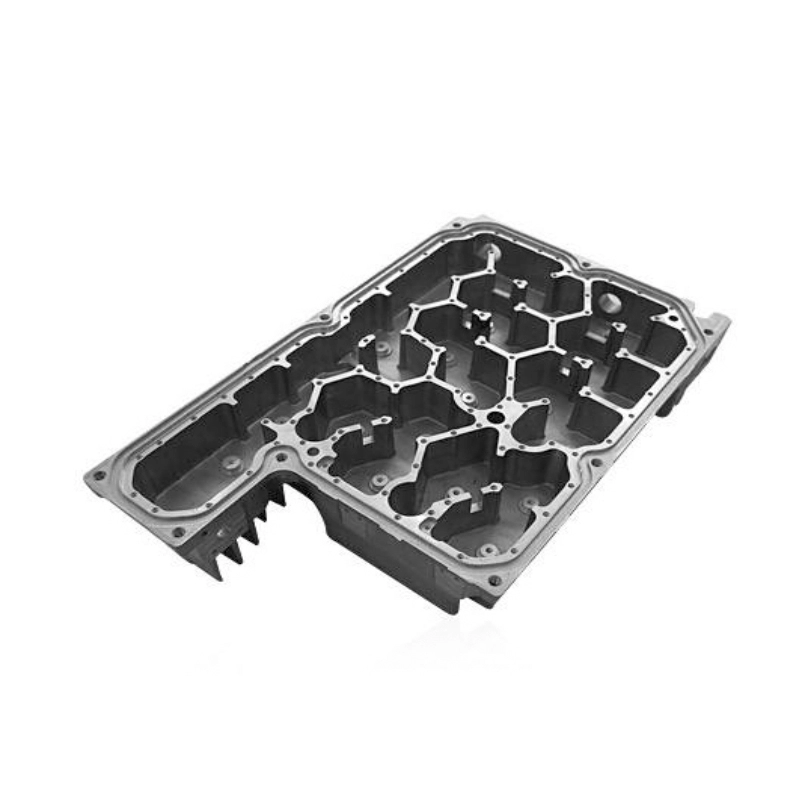
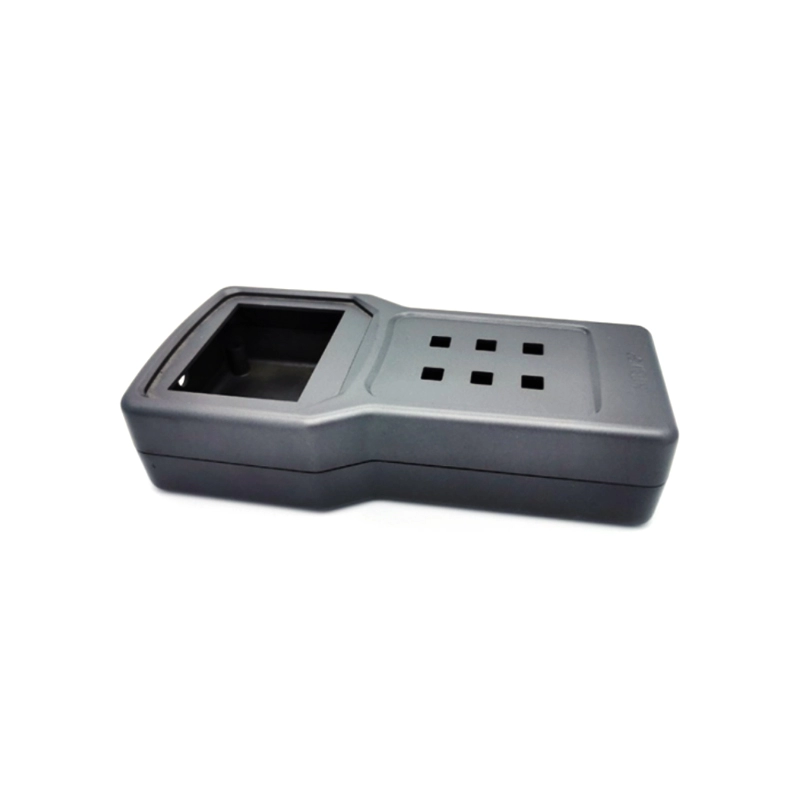
LED and Communication Components
LED and Communication Components
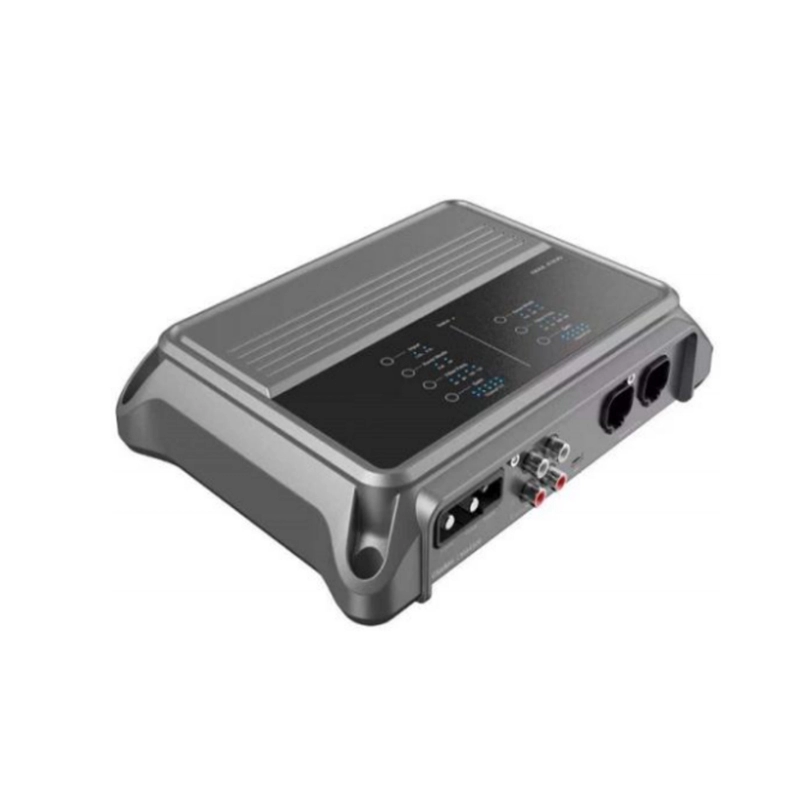
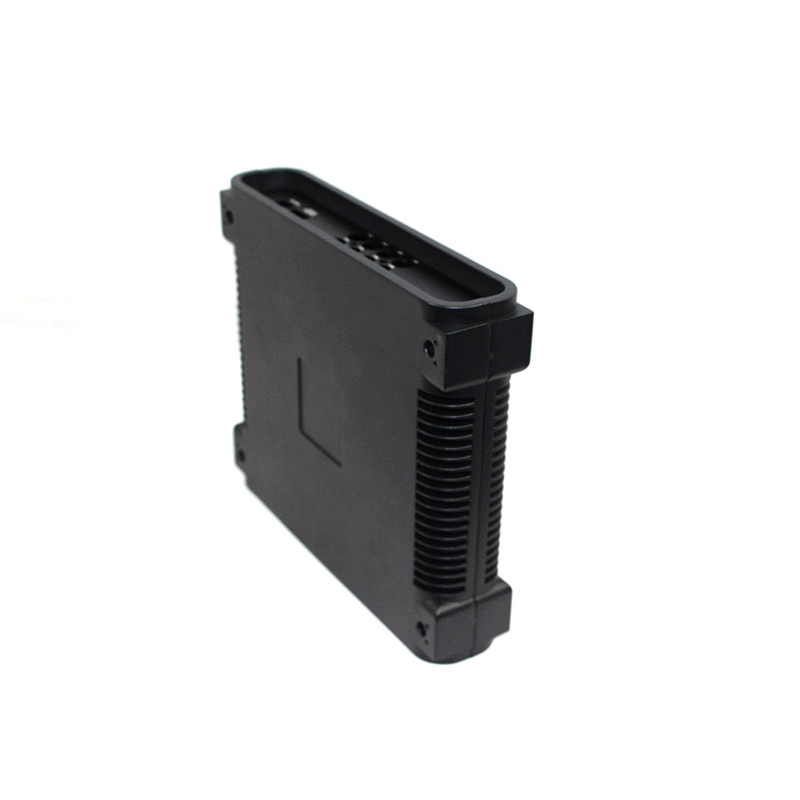
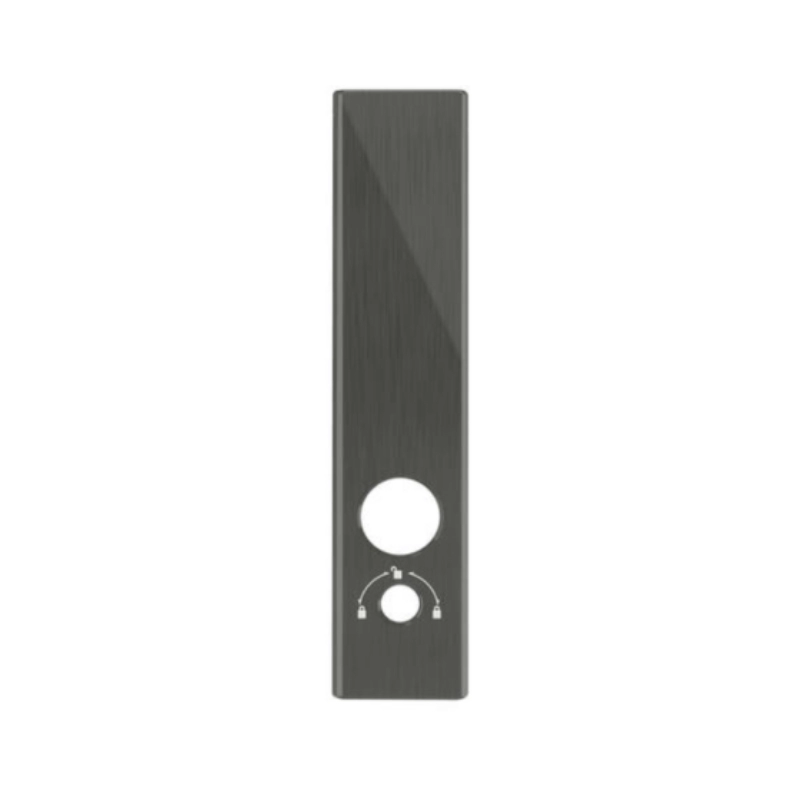
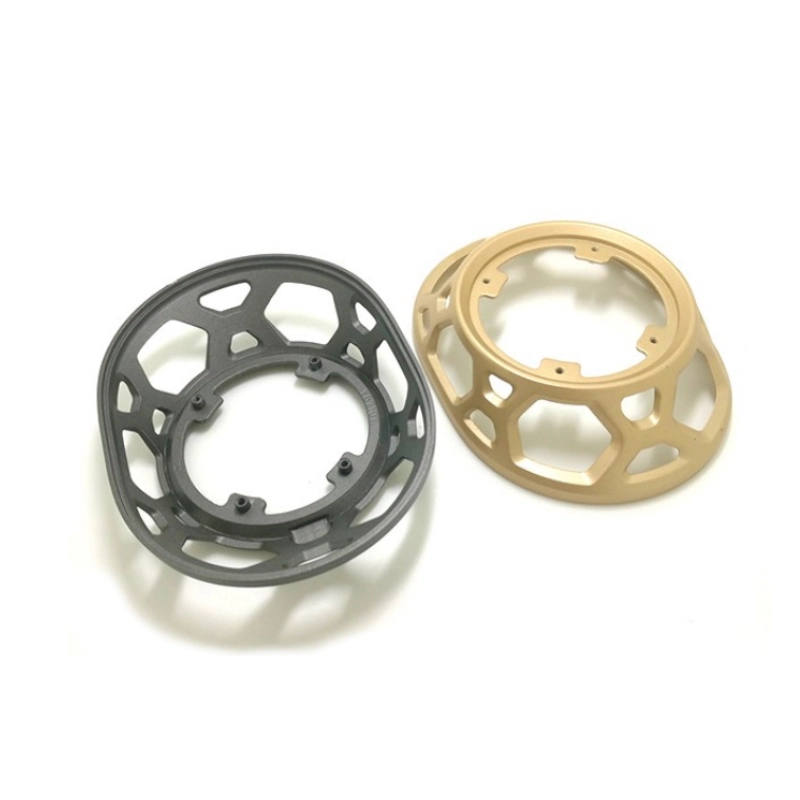
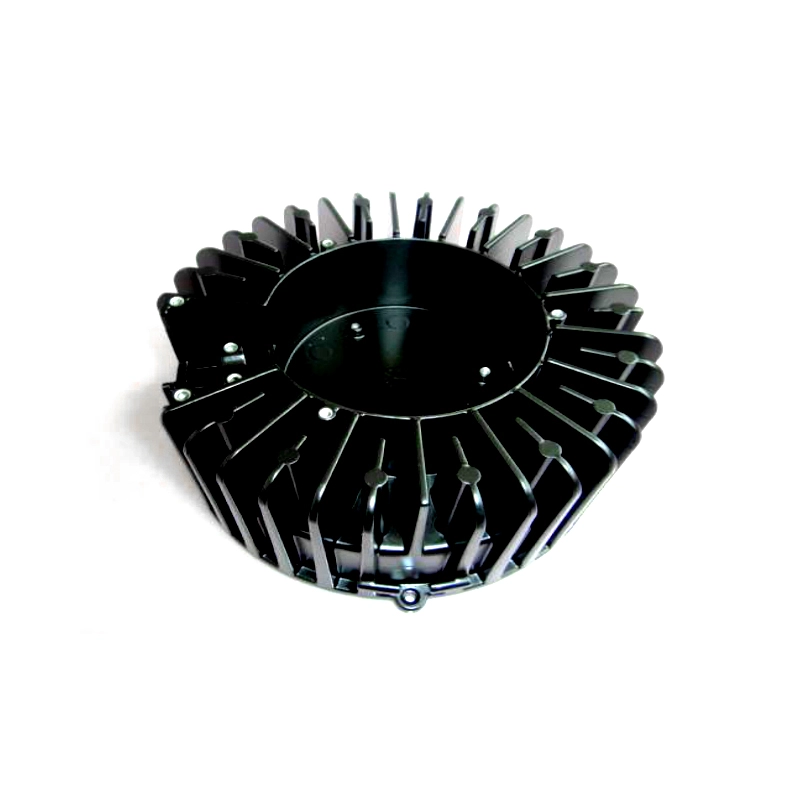
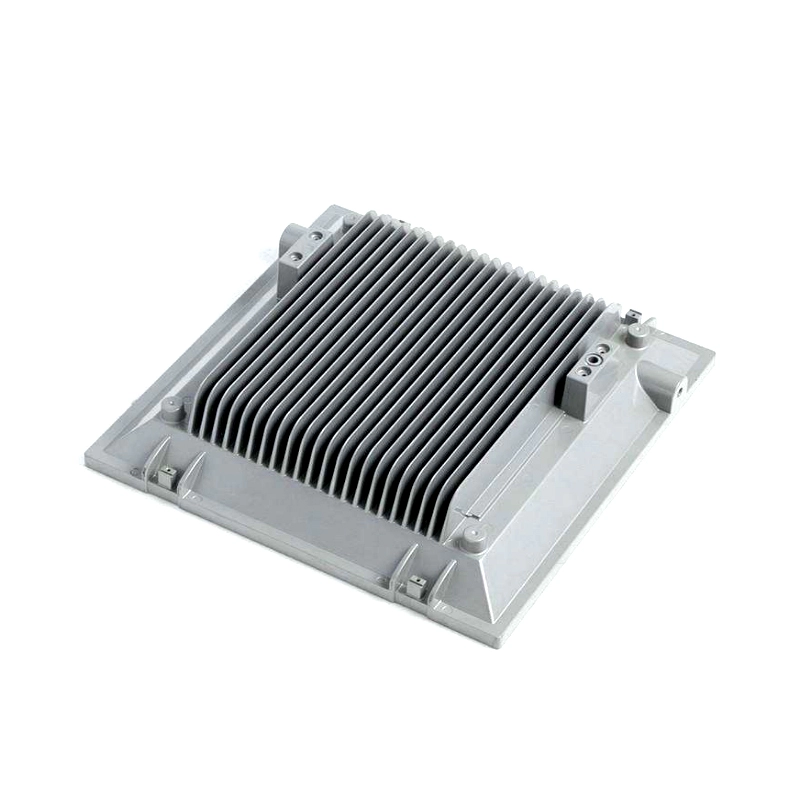
Die cast LED and communication components produced in ADC12 and A380 aluminium alloy, with CNC finishing for mounting faces, threads and sealing surfaces.
Product Overview
Complex Castings Finished to Fit
Die casting produces the complex geometry economically at volume, but the part is only usable once the critical features are machined. We cast, trim, machine and finish in one supply chain so that the housing arrives ready to accept its electronics and seal.
Zhigao is a manufacturer of led and communication components serving customers in Europe, North America and Asia. Every order is produced to your drawing and inspected against your specification before shipment, with full documentation supplied.
Specifications
| Material | Aluminium ADC12, A380 and A360 die casting alloy; zinc alloy also available |
| Process | Die casting, trimming, CNC machining, drilling, tapping, deburring and surface treatment |
| Wall Thickness | 0.8mm to 8mm depending on part size and structure |
| Tolerance | +/-0.05mm for machined features; +/-0.1mm for as-cast dimensions |
| Surface Finish | Anodizing, powder coating, painting, sand blasting, polishing and zinc plating |
| Porosity Control | Vacuum assisted die casting and X-ray inspection available for pressure tight parts |
| Tooling | New die design and manufacture, lead time 20-30 working days |
| Size Range | Up to 600 x 600 x 300mm and up to 8kg per casting |
| Drawing Format | 2D PDF / DWG / DXF; 3D STEP / STP / IGS |
| Quality Control | Material certificate, first article inspection, dimensional report and porosity inspection |
| Packing | EPE foam, bubble film and export cartons or plywood cases |
| Application | LED lighting housings, communication equipment enclosures, heat sink housings and mounting frames |
Specifications are typical values for this process family. Final values are confirmed against your drawing during the engineering review.
Manufacturing Capability
In-house Machining
3-axis, 4-axis and 5-axis CNC machining centres with dedicated tooling and fixtures.
Controlled Tolerances
Dimensional accuracy verified at first article, in process and before shipment.
Surface Finishing
Anodizing, brushing, polishing, powder coating, laser engraving and silkscreen printing.
Prototype to Volume
From a single sample part through to mass production runs with consistent quality.
Quality Control
Order Process
- Send Your DrawingShare 2D drawings or 3D models along with material, finish and quantity requirements.
- Engineering ReviewOur engineers review manufacturability and recommend the most cost effective process route.
- QuotationA detailed quotation covering unit price, tooling, lead time and packing is issued.
- SamplingSample parts are produced and submitted for your dimensional and appearance approval.
- Mass ProductionProduction begins after sample approval with in-process quality control at every stage.
- QC and ShippingFinal inspection, protective packing and shipment with full documentation.
Frequently Asked Questions
What is the difference between die casting and CNC machining?
Which alloy do you recommend?
How do you control porosity?
What is the tooling lead time and cost?
What is the minimum order quantity?
Can you supply the parts ready for assembly?
Request a Quotation
Send us your drawing, material and quantity requirements. Our engineering team will respond with a detailed quotation and lead time.
Send Your EnquiryEach component is quoted against the agreed drawing, material, finish and quantity. Samples and production schedules are confirmed for your project. Air, sea and express shipping can be arranged; contact our team to confirm packing, destination and trade terms.