Made for your next design.
Anodizing
Anodizing
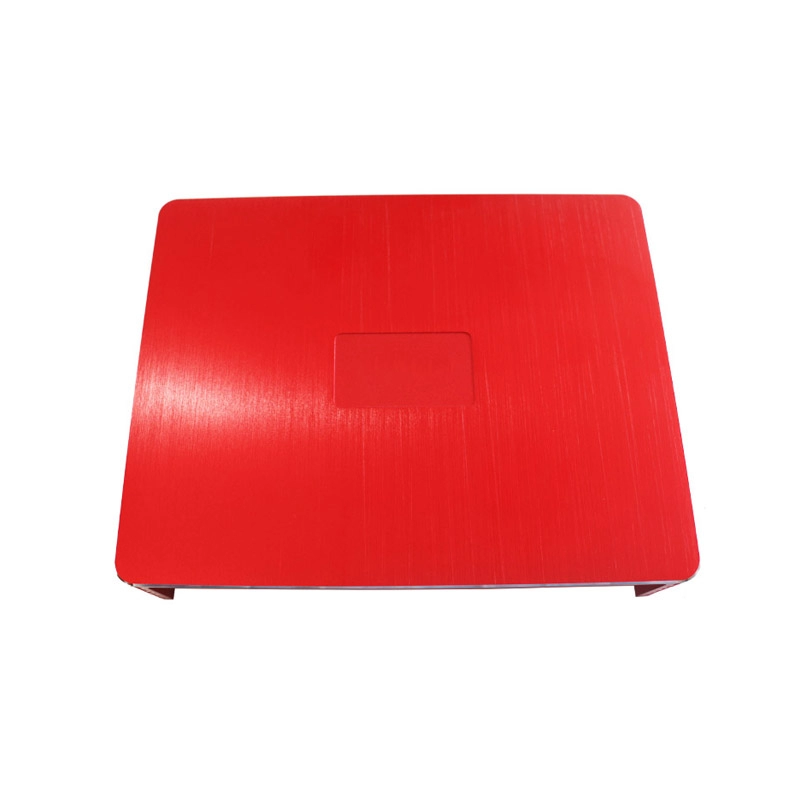
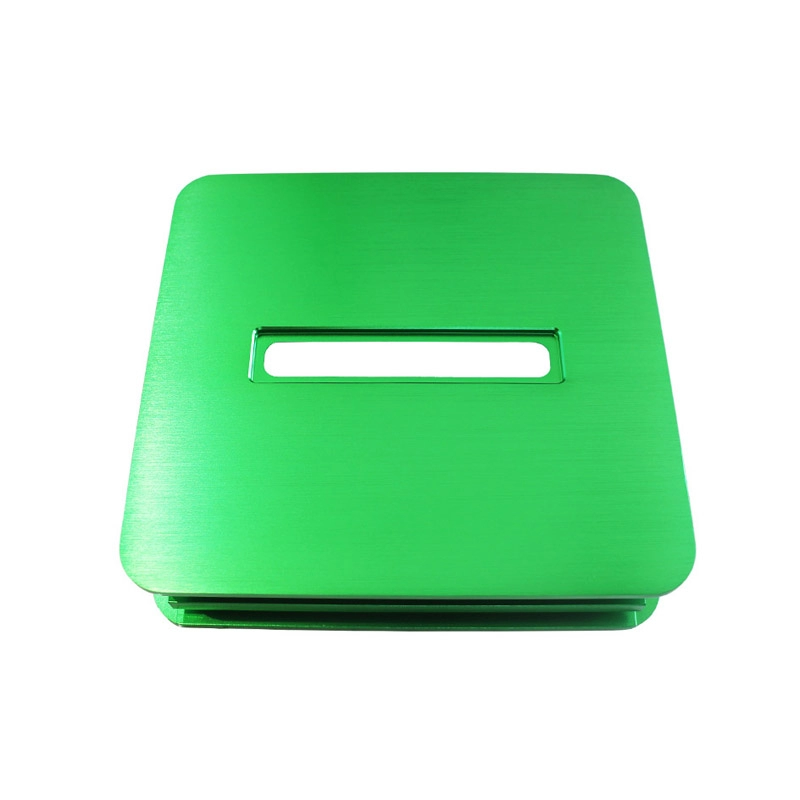
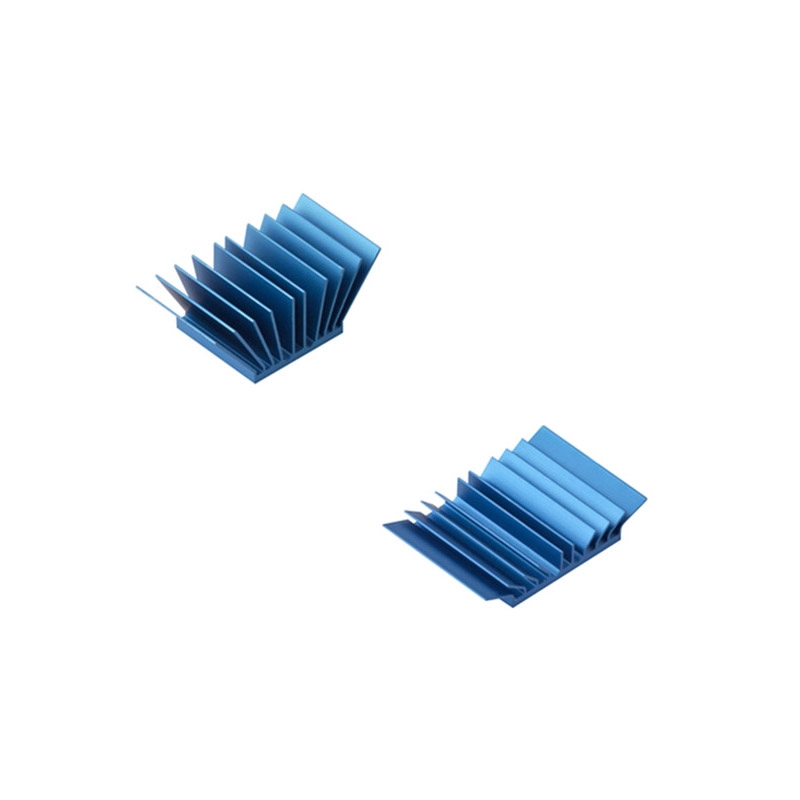
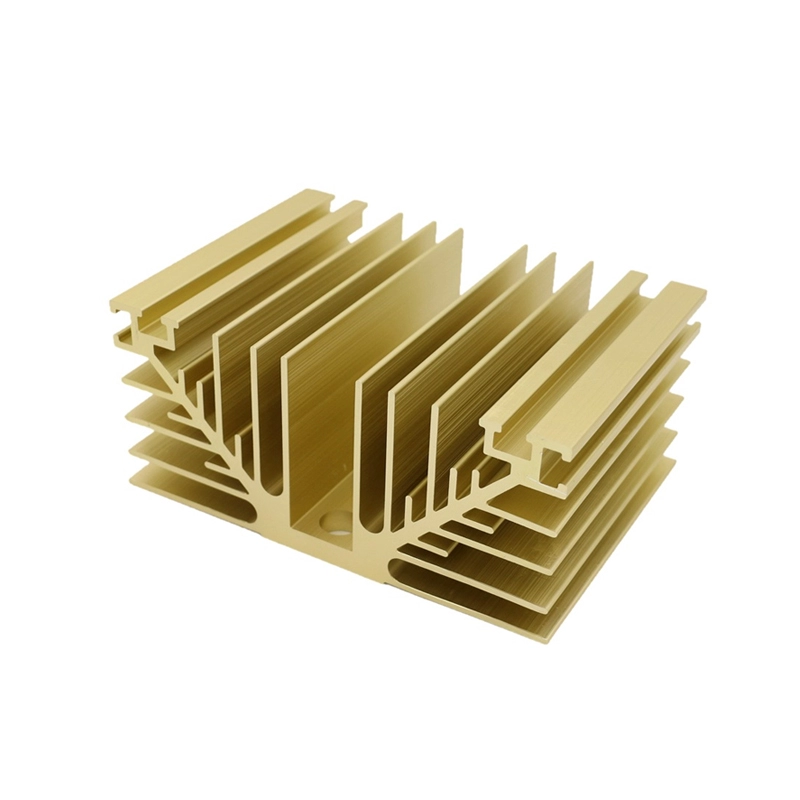
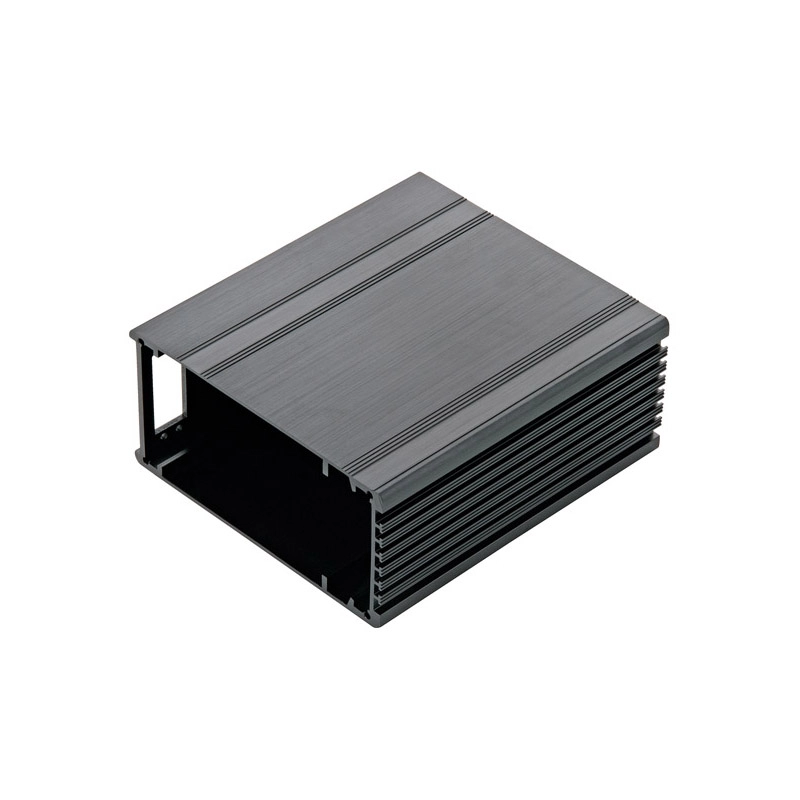
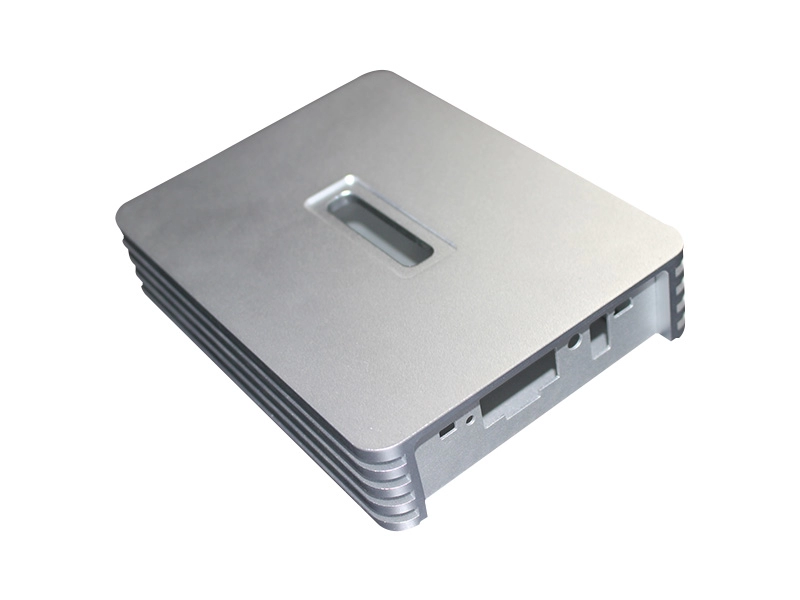
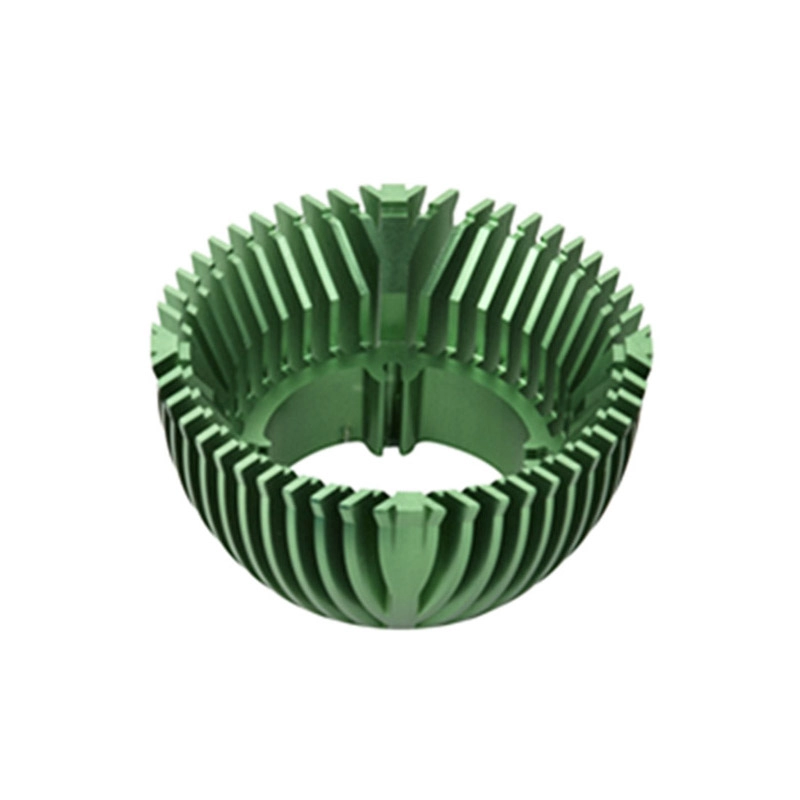
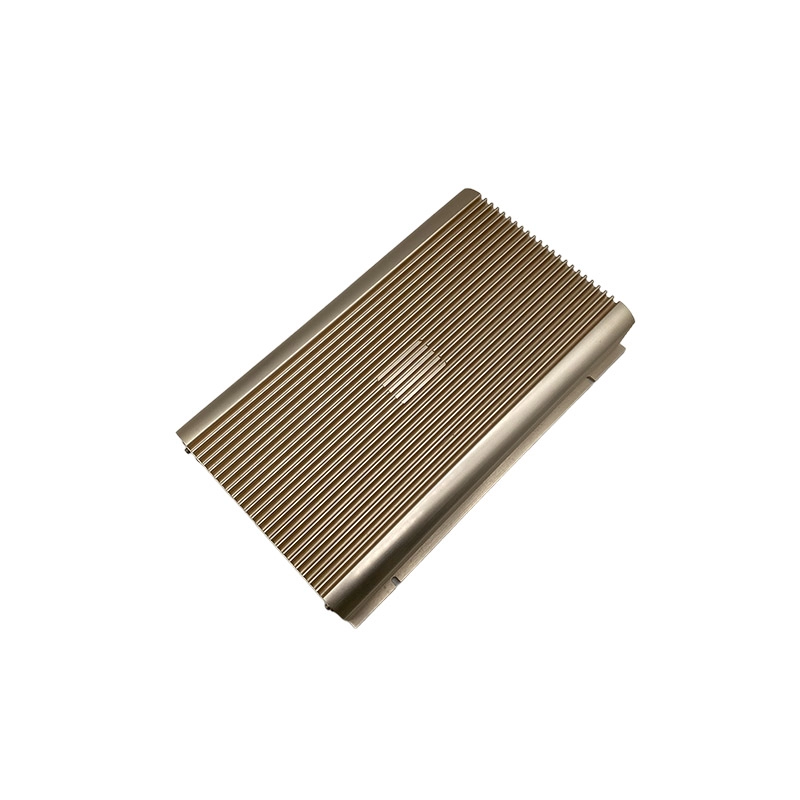
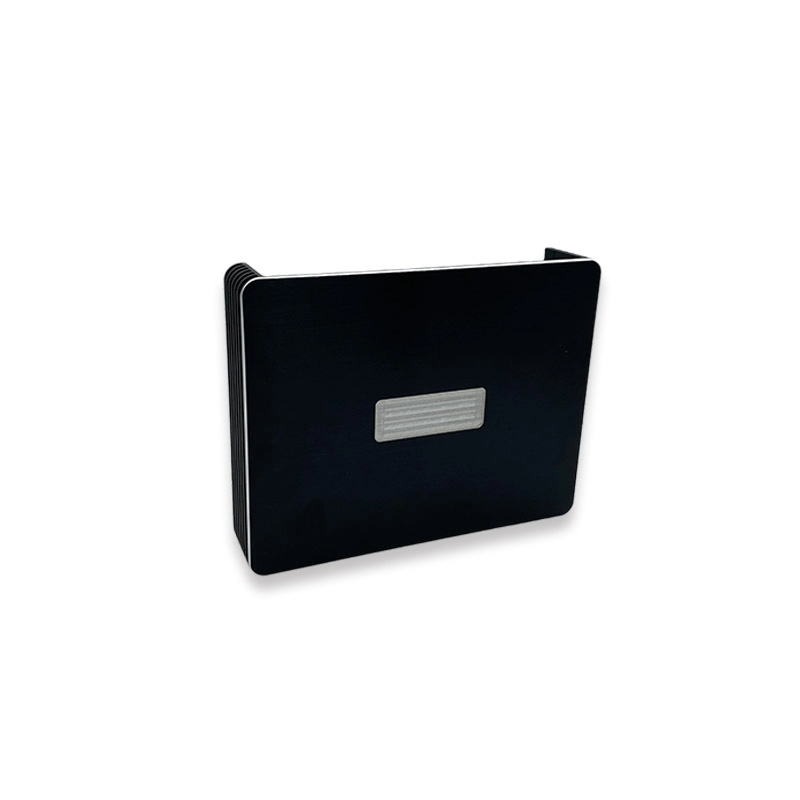
Aluminium anodizing services covering Type II decorative anodizing and Type III hard anodizing, in clear and a full range of colours, with consistent finish across production batches.
Product Overview
Protection and Colour in One Process
Anodizing converts the aluminium surface into a hard oxide layer that resists corrosion and wear, and it accepts dyes that give a durable colour without the risk of paint chipping. Because the appearance depends heavily on the alloy and the surface preparation, we agree a sample finish before production.
Zhigao is a manufacturer of anodizing serving customers in Europe, North America and Asia. Every order is produced to your drawing and inspected against your specification before shipment, with full documentation supplied.
Specifications
| Material | Aluminium 6061, 6063, 6082, 5052, 7075 and 1050; wrought and cast aluminium |
| Process | Degreasing, etching, desmutting, anodizing, dyeing, sealing and inspection |
| Anodizing Type | Type II decorative anodizing and Type III hard anodizing |
| Coating Thickness | 5-25um for Type II; 25-50um for Type III hard anodizing |
| Surface Hardness | 200-300 HV for Type II; 400-600 HV for Type III hard anodizing |
| Colour Options | Clear, black, natural, champagne, gold, blue, red, green, grey and custom colours on request |
| Colour Tolerance | Colour matched against your sample or Pantone reference with a pre-production sample for approval |
| Corrosion Resistance | Salt spray resistance of 500 hours or more for sealed Type II coatings |
| Electrical Insulation | Anodic layer is electrically insulating; dielectric strength depends on coating thickness |
| Pre-treatment | Brushing, polishing or sand blasting before anodizing to achieve the required base appearance |
| Quality Control | Coating thickness measurement, colour verification and visual inspection of every part |
| Application | Consumer electronics, audio equipment, LED lighting, automotive trim and industrial equipment panels |
Specifications are typical values for this process family. Final values are confirmed against your drawing during the engineering review.
Manufacturing Capability
In-house Machining
3-axis, 4-axis and 5-axis CNC machining centres with dedicated tooling and fixtures.
Controlled Tolerances
Dimensional accuracy verified at first article, in process and before shipment.
Surface Finishing
Anodizing, brushing, polishing, powder coating, laser engraving and silkscreen printing.
Prototype to Volume
From a single sample part through to mass production runs with consistent quality.
Quality Control
Order Process
- Send Your DrawingShare 2D drawings or 3D models along with material, finish and quantity requirements.
- Engineering ReviewOur engineers review manufacturability and recommend the most cost effective process route.
- QuotationA detailed quotation covering unit price, tooling, lead time and packing is issued.
- SamplingSample parts are produced and submitted for your dimensional and appearance approval.
- Mass ProductionProduction begins after sample approval with in-process quality control at every stage.
- QC and ShippingFinal inspection, protective packing and shipment with full documentation.
Frequently Asked Questions
What is the difference between Type II and Type III anodizing?
Can anodizing be used for electrical insulation?
How accurate is the colour matching?
Will the part dimensions change?
What surface preparation do you recommend?
What is the lead time?
Request a Quotation
Send us your drawing, material and quantity requirements. Our engineering team will respond with a detailed quotation and lead time.
Send Your EnquiryEach component is quoted against the agreed drawing, material, finish and quantity. Samples and production schedules are confirmed for your project. Air, sea and express shipping can be arranged; contact our team to confirm packing, destination and trade terms.