
Aluminium Prices and Lead Times: How Smart Buyers Protect Their Programs
Aluminium is a globally traded commodity, and its price moves. Practical strategies for structuring aluminium component procurement so price swings and lead times do not derail your program.
For anyone buying aluminium components, this creates a planning problem. Your product's cost structure inherits the volatility of a commodity market, and your delivery schedule inherits the lead times of a supply chain you do not control.
Here is how experienced buyers structure their sourcing to reduce that exposure.
Understand where the cost comes from
An aluminium component's price has several distinct layers:
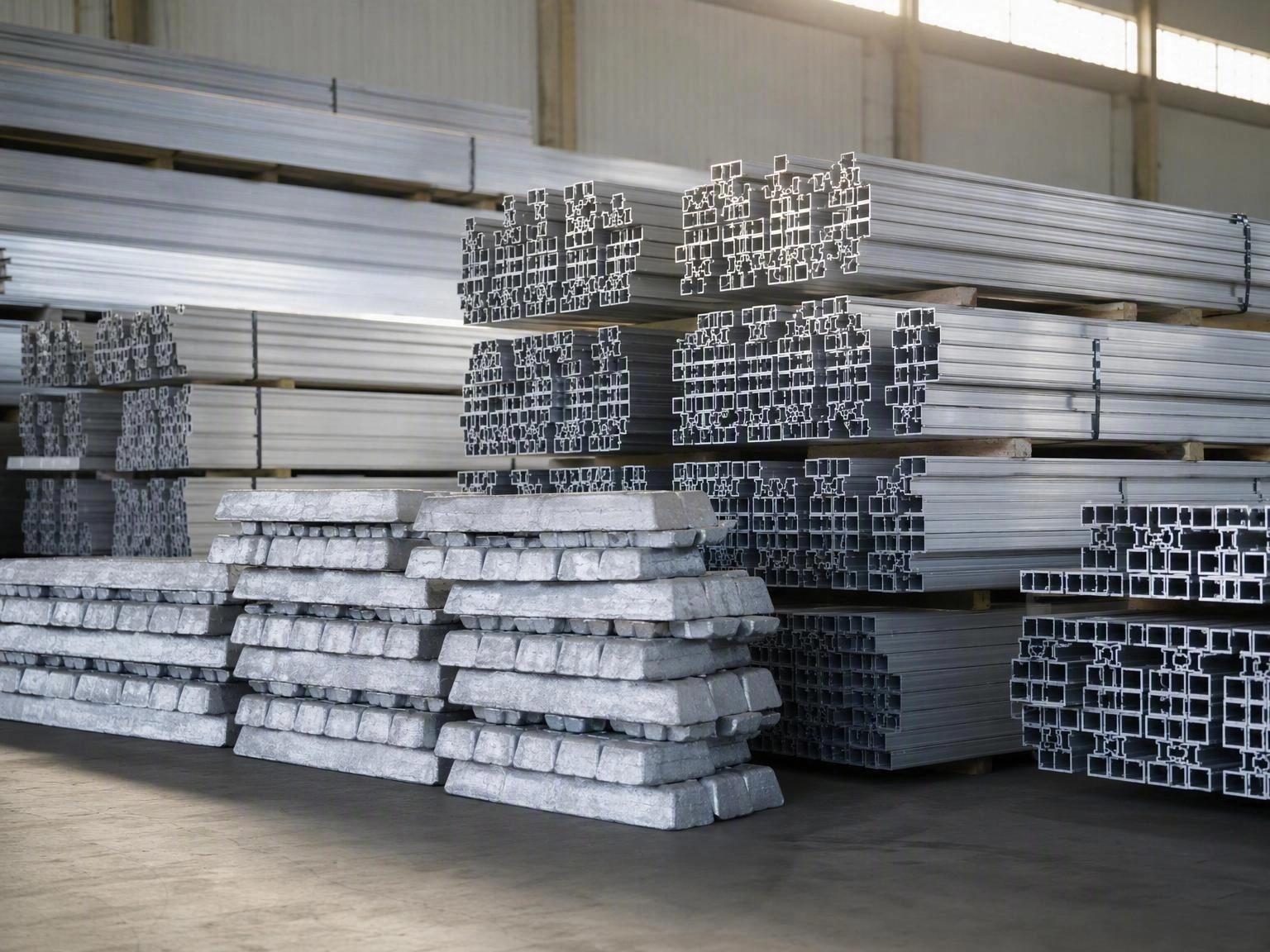
- 1. Base metal (LME aluminium price) — the traded commodity value
- 2. Conversion premium — the cost of turning ingot into billet or extrusion
- 3. Extrusion or casting cost — forming the shape
- 4. Machining and finishing cost — value added in our plant
- 5. Tooling amortization — spread across the program
- 6. Packaging, freight and documentation
The base metal portion is exposed to the market. The machining, finishing and tooling portions are not — they depend on labour, energy, equipment and process efficiency.
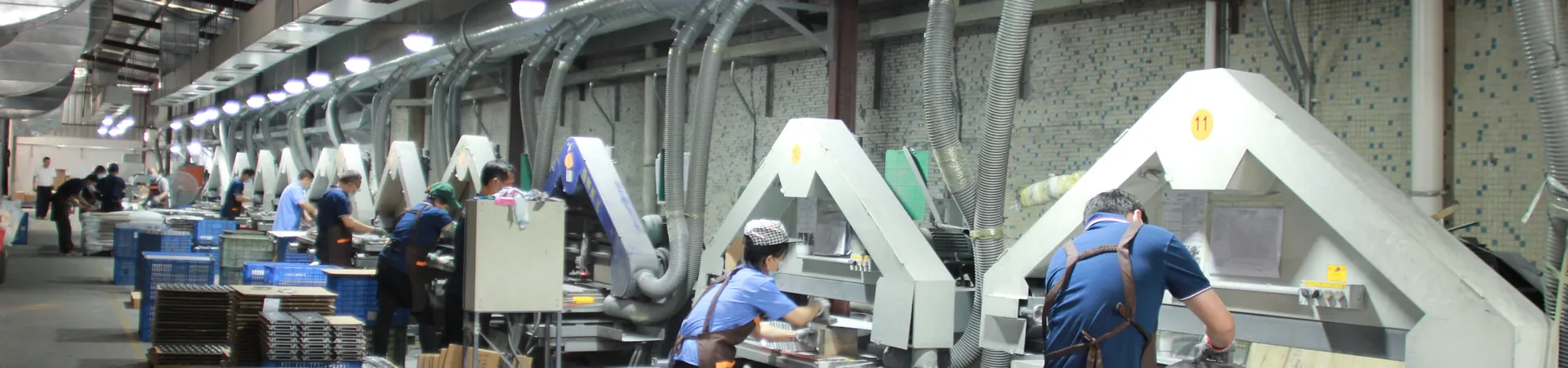
This is strategically important. A vertically integrated manufacturer that performs extrusion, casting, machining and finishing in-house controls a larger share of the total cost. That means a price swing in the metal affects a smaller fraction of the quoted figure, and there is more room to absorb or offset movement.
Practical strategies
Fix a validity window. Quotations should state a validity period — typically 15 to 30 days given current volatility. Beyond that window, prices are revalidated. This is standard practice and protects both sides from a stale quote.
Separate metal from conversion. Ask your supplier to quote the metal and the conversion separately, with the metal tied to a published index. This makes the cost structure transparent and turns a price argument into a formula. It also lets you see whether a proposed increase reflects genuine market movement or margin expansion.
Lock volume with a blanket order. If your annual requirement is reasonably predictable, a blanket purchase order with scheduled releases lets your supplier plan material buys and production capacity. In exchange, you can negotiate a more stable unit price and protected capacity.
Buy metal ahead on large programs. For high-volume programs, some customers purchase the raw material directly or commit to a metal purchase with the manufacturer at a fixed price, removing metal volatility from the component price entirely. This shifts the exposure to the customer, who is often better positioned to manage it.
Plan for material lead times, not just production lead times. Our bulk production lead time is typically 45–60 days. But if a special alloy or profile must be sourced, that time adds on top. If your program has a hard deadline, share it at the enquiry stage so material can be secured early.
Hold safety stock on long-lead items. For parts with extended tooling or material lead times, carrying buffer inventory at your end is usually cheaper than expediting.
Consider the seasonality of your own demand. Chinese New Year, summer maintenance shutdowns and peak export seasons all affect capacity and lead time. Programs with launches that collide with these periods should be planned earlier.
Tooling: the decision that locks in cost
Tooling decisions have an outsized effect on total program cost, and they are difficult to reverse.
Who owns the tooling? Clarify this in writing. Standard practice is that the customer pays for the tool and owns it, and the manufacturer retains it for production. This protects you if you change suppliers — the tool should be transferable.
Is the tool designed for your actual volume? A die built for 10,000 shots then asked to run 500,000 will wear early and produce quality drift. Be honest about lifetime volume.
Can the design tolerate revision? If your part is likely to evolve, understand what a change costs. Extrusion dies are relatively inexpensive to modify; die casting moulds are not.
Quality documentation is part of the price
A quotation that includes full inspection, dimensional reports, material certification and PPAP documentation costs more than one that does not. When comparing suppliers, compare like with like. The cheapest quote is often the one that will quietly skip the inspection you assumed was included.
What good supplier behaviour looks like
Look for a supplier who:
- - States a quote validity period without being asked
- - Explains what drove a price change rather than just announcing it
- - Flags material availability concerns early
- - Gives realistic lead times and communicates slippage promptly
- - Can tell you which portion of your cost is metal and which is conversion
We source raw aluminium directly from primary mills — which means we can tell you what we paid and when, rather than relaying a number from a trader. That transparency is worth more than a marginally lower quote from a supplier who cannot explain their own pricing.
Planning an aluminium program? Send your requirements, target volumes and delivery deadlines to [email protected] for a quotation with a stated validity period.
Keywords: aluminium price trends procurement, aluminium component sourcing strategy, hedge aluminium cost manufacturing, aluminium supplier lead time, aluminium raw material supply chain